
PAT Testing
Portable Appliance Testing for landlords, letting agents and businesses — per-item pricing with labelled, logged results.
What it is
PAT (Portable Appliance Testing) is the inspection and testing of electrical appliances that plug in — kettles, lamps, chargers, tools, white goods — to confirm they're safe to use. Each item is labelled and results are logged in a register.
Who legally needs it
While not a strict legal certificate, PAT testing is the standard way landlords and employers demonstrate they're meeting their duty to keep supplied appliances safe. Letting agents, HMO landlords, offices, shops and trades all use it as evidence of due diligence.
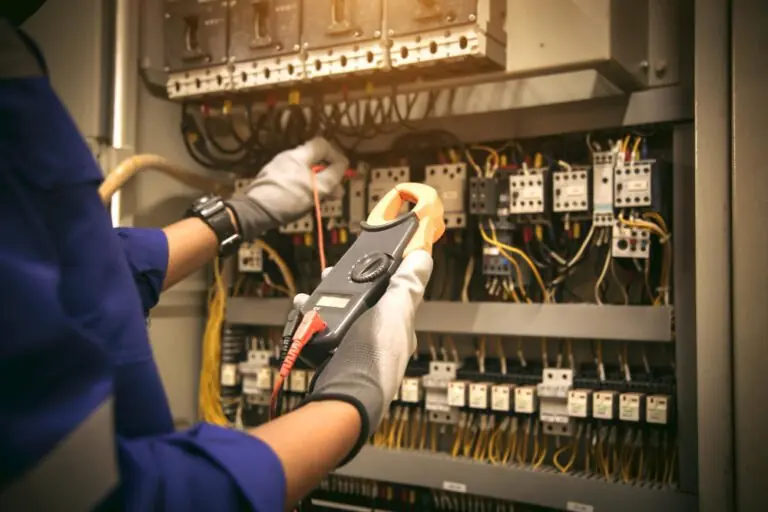
PAT testing is the most straightforward way to prove the electrical appliances in your property are safe. Whether you are a landlord letting a furnished home, an office manager responsible for staff safety, or an HMO owner with a high turnover of tenants, our engineers test every item, label it, and hand you a certificate and register you can produce at a moment's notice.
Who needs PAT testing
Landlords — if you let a furnished property you are responsible for the safety of every appliance you supply. PAT testing is not a named legal certificate, but it is the recognised way to demonstrate you have met your duty of care under the Electricity at Work Regulations.
Offices and businesses — employers must ensure electrical equipment provided for staff use is safe. PAT testing is the standard method of showing that, and it is often asked for by insurers and health and safety policies.
HMO landlords — houses in multiple occupation carry higher risk through shared use and faster turnover. A current register is regularly expected by local authorities.
What gets tested
Any appliance with a plug — kettles, fridges, microwaves, washing machines, televisions, lamps, chargers, computers and power tools. Each item gets a visual inspection and, where appropriate, an electrical test. We look for damaged cables, loose connections, overheating and any sign of wear that could make an appliance unsafe.
What you receive
- A pass or fail label on every item, dated for easy identification
- An itemised register recording every appliance tested
- A certificate confirming the inspection was carried out to current standards
- Clear advice on whether a failed item is worth repairing or replacing
What's included
- Visual inspection and electrical test of each appliance
- Pass/fail label on every item
- Itemised register of results
- Certificate of testing
- Advice on any failed items
- Register and certificate filed in your secure customer portal
from £45
callout, then per-item (typically £1–£2 per item)
Every job is quoted exactly before work starts — no hidden extras. Tell us about your property and we'll confirm your exact price within one working day.
Get My Exact QuoteFrom booking to certificate, in four steps
Book
Request a quote online or by phone. Tell us roughly how many appliances there are and we'll confirm a slot.
Engineer visits
A qualified engineer tests and labels every appliance at your property.
Certificate issued
Your certificate and itemised register are produced, usually the same or next working day.
Stored in your portal
Documents are filed to your secure customer portal so you can retrieve them any time.
PAT Testing — your questions answered
Is PAT testing a legal requirement?
There is no single law that says you must PAT test. Landlords and employers do, however, have a legal duty to ensure electrical equipment is safe, and PAT testing is the standard accepted way to demonstrate it — insurers frequently ask for it.
How often should PAT testing be carried out?
It depends on the environment. Offices are typically tested every one to two years; rented properties and HMOs are usually tested annually or between tenancies. We'll advise on a sensible schedule for your property.
What happens if an appliance fails?
We label it as failed, advise whether it is repairable and recommend the safest course of action. Many failures are simple fixes such as a damaged plug or a worn cable.
Do you test appliances the tenant owns?
Your duty covers the appliances you supply, but we can test tenants' items at the same visit if they are present and the tenant agrees.
Need PAT Testing?
Get an exact quote within one working day — and once the work is done, your certificate is stored in your customer portal.