
Fire Alarm Installation & Certification
Design, installation and certification of fire and smoke alarm systems for homes, rentals and commercial premises.
Smoke and CO alarms are a legal requirement in rental properties; HMOs and commercial premises have additional fire safety duties.
What it is
We design and install fire and smoke alarm systems matched to the property — from interlinked domestic smoke and heat alarms to multi-zone commercial fire alarm panels — and certify the installation to the relevant British Standard.
Who legally needs it
Landlords must fit working smoke alarms on every storey and carbon monoxide alarms where solid fuel is used. HMOs and commercial premises have stricter obligations under fire safety regulations, often requiring a designed, tested and certified system.
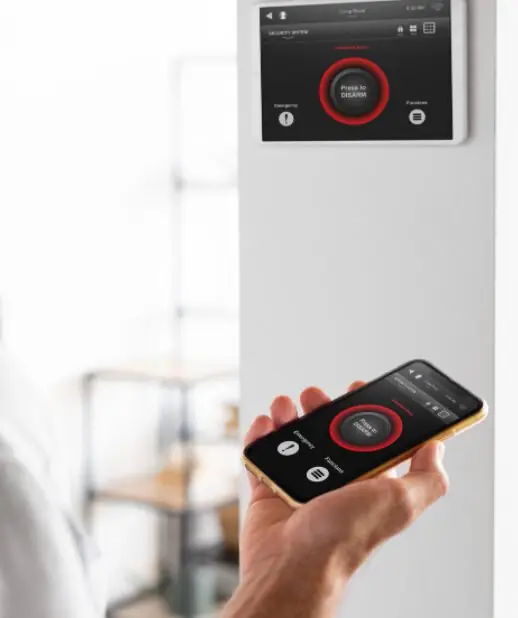
A properly designed, installed and maintained fire alarm system is one of the most important safety features in any building. We design, install, commission and service fire alarm systems to British Standard BS 5839, and issue the certification you need to demonstrate compliance — from interlinked domestic smoke and heat alarms to multi-zone commercial panels.
Why compliance matters
Fire safety law places a clear duty on landlords, employers and building owners to ensure adequate fire detection is in place and maintained. For rented properties, the Smoke and Carbon Monoxide Alarm Regulations require working smoke alarms on every storey and carbon monoxide alarms where solid fuel is used. HMOs and commercial premises carry stricter obligations under the Regulatory Reform (Fire Safety) Order 2005.
Failing to comply is not only a financial risk — it is a life-safety issue. A certified, properly maintained system is your evidence that you have met your duty of care.
Domestic and rental properties
- Interlinked smoke and heat alarms (Grade D1 / LD2 systems)
- Carbon monoxide alarm installation
- Landlord compliance — smoke alarms on every storey, CO alarms where solid fuel is used
- HMO systems with heat detectors, sounders and call points
Commercial and communal premises
- Addressable and conventional fire alarm panels
- Multi-zone detection for offices, shops, restaurants and warehouses
- Communal systems for blocks of flats and sheltered housing
- Integration with emergency lighting and door release systems
Every installation is designed to BS 5839 Part 1 for commercial premises or Part 6 for domestic properties, and we provide a fire alarm certificate on completion.
What's included
- System design matched to the property and risk
- Installation of alarms, detectors and panel
- Interlinked or addressable options
- Full commissioning and test
- Fire alarm certificate on completion
- Optional planned servicing with reminders before tests fall due
from £150
for a standard domestic interlinked setup
Every job is quoted exactly before work starts — no hidden extras. Tell us about your property and we'll confirm your exact price within one working day.
Get My Exact QuoteFrom booking to certificate, in four steps
Book a survey
We assess the property, its layout and its fire risk.
System design
We recommend the right grade and category of system to BS 5839 and quote it clearly.
Installation
Our engineers install, wire and commission the system cleanly and to code.
Certificate issued
You receive a fire alarm installation certificate plus guidance on ongoing testing.
Fire Alarms — your questions answered
Do landlords legally need a fire alarm certificate?
There is no single fire alarm certificate required by law for every home, but landlords must ensure adequate smoke and CO alarms are fitted and working. For HMOs and commercial premises a designed, tested and certified system is required, and certification is how you evidence compliance.
What is the difference between Grade D1 and Grade A systems?
Grade D1 systems use mains-powered interlinked alarms with a battery back-up, typical for single dwellings. Grade A systems are fully addressable installations with a central panel, used in HMOs, offices and larger premises. We advise which is right for your property at the survey.
How often should fire alarms be serviced?
Domestic alarms should be tested weekly and replaced around every ten years. Commercial systems should be serviced every six months by a competent engineer, with a full test and a logbook entry.
Can you take over an existing system?
Yes. We can inspect an installed system, bring the logbook up to date and put it on a servicing schedule, or quote for upgrading it where it no longer meets the property's risk.
Need Fire Alarms?
Get an exact quote within one working day — and once the work is done, your certificate is stored in your customer portal.