
Legionella Risk Assessment
Legionella risk assessments for rental properties — a written record of water-system safety.
Landlords have a legal duty to assess and control Legionella risk under health & safety law.
What it is
A Legionella risk assessment examines a property's water system — tanks, cylinders, pipework, outlets — to assess the risk of Legionella bacteria growth and records the control measures in place. The result is a written assessment report.
Who legally needs it
Landlords have a legal duty to assess and control the risk of exposure to Legionella in their rental properties. While the law doesn't prescribe a certificate, a documented assessment is how you demonstrate you've met that duty.
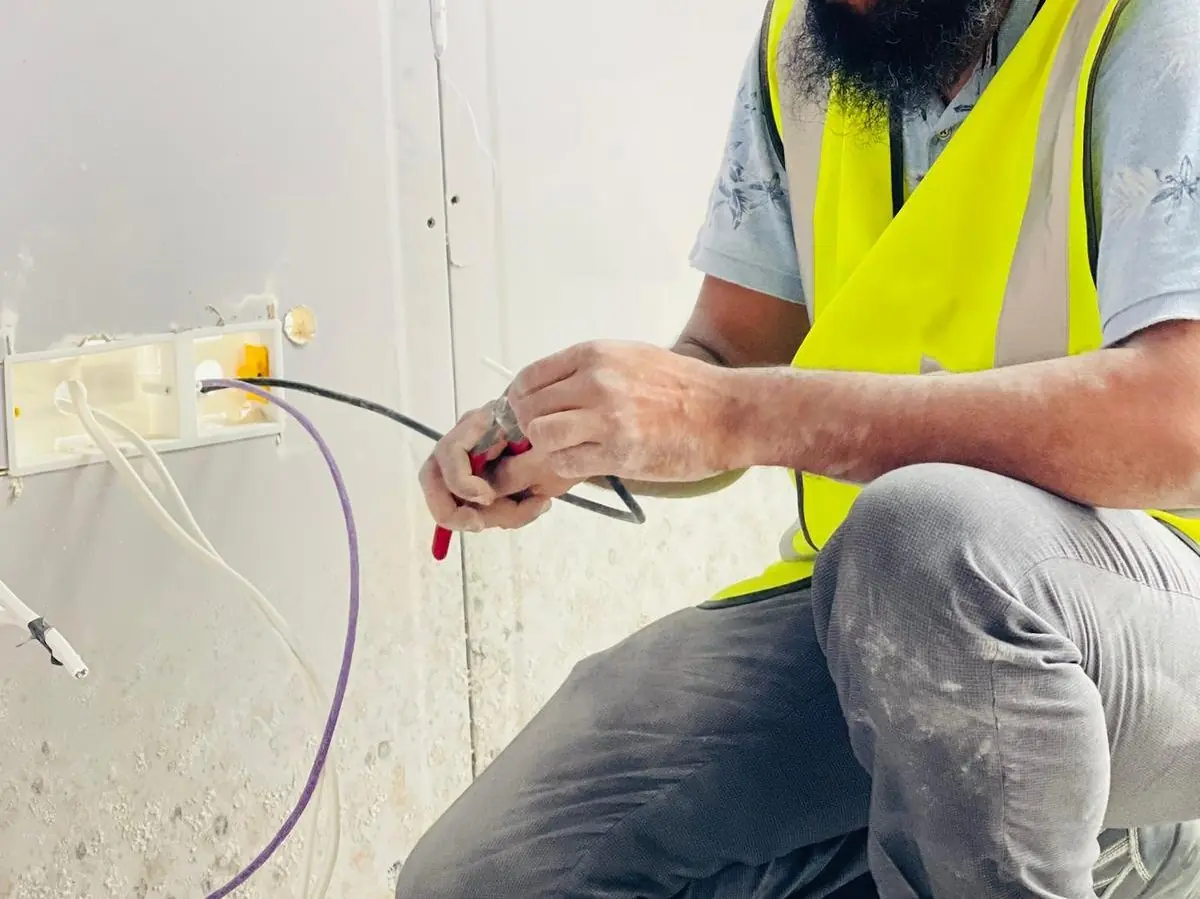
If you let a property in the UK you have a legal duty to assess and control the risk of exposure to Legionella bacteria. A Legionella risk assessment is the documented way to demonstrate you have met that duty — and for most residential properties it is simpler than landlords expect.
Who needs it, and how often
Landlords of rented residential properties have a duty under the Health and Safety at Work etc. Act and the Control of Substances Hazardous to Health Regulations, with guidance set out in HSE ACOP L8.
The law does not prescribe a particular certificate, but it does require you to assess the risk from Legionella, put control measures in place where they are needed, and keep a written record of the assessment.
A fresh assessment is commonly recommended every two years, or sooner if the water system changes significantly, the property stands empty for a long period, or a case is suspected.
What the assessment covers
- Cold water tanks and storage — debris, corrosion and inadequate lids
- Hot water cylinders — confirming water is stored at a safe temperature
- Pipework and dead legs — unused or redundant runs where water can stagnate
- Outlet temperatures — taps and showers run to verify safe hot and cold temperatures
- Showers and rarely used outlets — common breeding grounds if they are not flushed regularly
You receive a written risk assessment report with clear findings and any recommended control measures.
Typical control measures
Most residential findings are simple to act on: flushing little-used outlets weekly, removing redundant pipework, insulating cold pipe runs, cleaning and disinfecting a storage tank, or adjusting a cylinder thermostat so stored water sits at a safe temperature. The report records what we found and what to do about it, which is the evidence you keep on file.
What's included
- Survey of the hot and cold water system
- Temperature checks at outlets
- Written risk assessment report
- Control measure recommendations
- Review schedule advice
- Report filed in your secure customer portal
from £55
per residential property
Every job is quoted exactly before work starts — no hidden extras. Tell us about your property and we'll confirm your exact price within one working day.
Get My Exact QuoteFrom booking to certificate, in four steps
Book
Request a quote online or by phone and we'll confirm a convenient slot.
Assessor visits
A qualified assessor surveys the water system and takes temperature readings at the outlets.
Report issued
Your written risk assessment is produced, usually the same or next working day.
Stored in your portal
The report is filed to your portal alongside your other compliance documents.
Legionella Assessment — your questions answered
Is a Legionella risk assessment a legal requirement for landlords?
You are legally required to assess and control the risk of exposure to Legionella in a rented property. There is no prescribed format, but a documented risk assessment is how you demonstrate you have met that duty.
Can I do the assessment myself?
For a simple, low-risk property — a small flat with a combi boiler and no storage tank — a landlord can carry out their own assessment. Most landlords prefer a professional one so that nothing is missed and the record comes from a qualified assessor.
What happens if the assessment finds a problem?
The report includes clear recommendations, for example flushing little-used outlets, cleaning a tank or adjusting temperatures. Most issues are straightforward, and we can advise on or carry out any remedial work.
Does an empty property still need one?
Yes, and a void property is higher risk rather than lower — water standing in pipework and cylinders is exactly the condition Legionella favours. Flushing the outlets before a new tenancy is a standard control measure.
Need Legionella Assessment?
Get an exact quote within one working day — and once the work is done, your certificate is stored in your customer portal.